
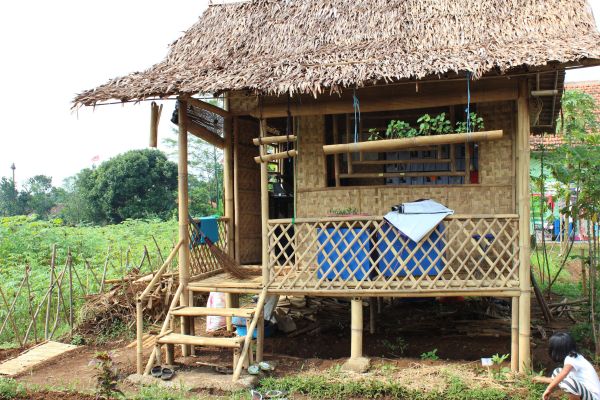
Organic gardening basics aren’t just about skipping synthetic chemicals or following a strict rulebook. At its core, organic gardening is a mindset—a way of working with nature instead of trying to dominate it. For beginners, that can feel both exciting and a little intimidating. There’s soil to understand, plants to observe, and mistakes that will happen no matter how carefully you plan. That’s part of the charm.
If you’ve ever wanted to grow food or flowers that feel more connected to the natural world, organic gardening offers a practical and deeply satisfying path. It rewards patience, curiosity, and attention, rather than quick fixes. And the good news is that you don’t need acres of land or years of experience to get started.
Understanding What Organic Gardening Really Means
Organic gardening basics begin with one simple principle: healthy plants come from healthy ecosystems. Instead of relying on synthetic fertilizers or pesticides, organic gardeners focus on building living soil, encouraging beneficial insects, and letting natural processes do much of the work.
This approach doesn’t mean your garden will be wild or out of control. It means you’re choosing methods that respect the long-term health of your soil and surrounding environment. Organic gardens often look more vibrant over time, not because they’re forced to grow, but because they’re supported.
It’s also worth noting that organic gardening isn’t about perfection. Even experienced gardeners lose plants, battle pests, and learn the hard way. The goal isn’t to eliminate problems entirely, but to create balance.
Starting With Soil, Not Plants
One of the most overlooked organic gardening basics is that the real work happens underground. Soil isn’t just dirt—it’s a living system full of bacteria, fungi, insects, and organic matter. When that system is healthy, plants grow stronger and more resilient.
Beginners often focus on what to plant, but organic gardening asks a different question first: what condition is the soil in? Rich, well-structured soil holds moisture better, drains properly, and provides nutrients naturally.
Adding compost is one of the simplest ways to improve soil health. Compost introduces beneficial microorganisms and organic matter that feeds plants slowly and steadily. Over time, this reduces the need for any outside inputs and creates soil that practically takes care of itself.
Choosing the Right Plants for Your Space
Organic gardening basics also involve working within your limits rather than against them. Every garden has its own conditions—sunlight, climate, soil type, and available space. Choosing plants that naturally thrive in those conditions makes organic gardening far easier.
A sunny backyard might support tomatoes, peppers, and herbs, while a shaded balcony could be perfect for leafy greens. Instead of forcing plants to adapt with fertilizers or chemicals, organic gardeners adapt their plant choices.
Starting small helps too. A few well-tended plants often produce better results than a large, overwhelming garden. As confidence grows, expanding the garden feels natural rather than stressful.
Watering With Intention and Awareness
Watering may seem straightforward, but it plays a major role in organic gardening basics. Overwatering can weaken plants and encourage disease, while underwatering stresses roots and reduces growth.
Organic gardens benefit from deep, infrequent watering that encourages roots to grow downward. This creates stronger plants that are more resistant to heat and drought. Morning watering is generally best, giving plants time to absorb moisture before the heat of the day.
Paying attention to the soil is key. If it feels dry several inches below the surface, it’s time to water. If it’s still damp, patience usually pays off.
Managing Pests the Organic Way
Pests are often what worry beginners the most, but organic gardening basics approach this challenge differently. Instead of aiming to eliminate every insect, organic gardeners focus on balance.
Many insects are beneficial. Ladybugs, lacewings, and bees all play important roles in a healthy garden. Problems arise when ecosystems are disrupted, often by overuse of chemicals or lack of plant diversity.
Simple practices like rotating crops, planting flowers alongside vegetables, and keeping plants healthy go a long way in reducing pest issues. When problems do appear, natural solutions such as hand removal, barriers, or gentle organic sprays can help without harming the wider ecosystem.
Feeding Plants Naturally Over Time
Organic gardening basics don’t rely on quick nutrient boosts. Instead, they focus on slow, steady nourishment. Compost, aged manure, and natural soil amendments release nutrients gradually, supporting long-term plant health.
This slower approach may seem less dramatic at first, but it leads to stronger plants with better flavor and resilience. Vegetables grown in well-fed organic soil often taste richer and store better, which is one of those small rewards that keeps gardeners coming back.
Listening to plants is important here. Yellowing leaves or slow growth can signal nutrient imbalances, but the solution is usually to improve soil health rather than reach for instant fixes.
Embracing Seasonal Rhythms
Another core part of organic gardening basics is learning to garden with the seasons. Organic gardens tend to follow natural cycles rather than pushing plants to grow year-round.
Understanding when to plant, when to harvest, and when to let the garden rest creates a rhythm that feels surprisingly grounding. Cool-season crops thrive in spring and fall, while summer plants flourish in warmth and long daylight hours.
Accepting these cycles reduces frustration. When something doesn’t grow well, it’s often a seasonal mismatch rather than a failure.
Learning Through Observation and Experience
Organic gardening basics can’t be fully learned from books or guides alone. Much of the knowledge comes from observation. Watching how plants respond to weather, soil, and care builds intuition over time.
Keeping simple notes—what worked, what didn’t, when pests appeared—can be incredibly helpful. Over the seasons, patterns emerge, and decisions become easier.
Mistakes are part of the process. A plant that fails one year often teaches more than one that thrives effortlessly. Organic gardening encourages curiosity rather than control.
Why Organic Gardening Feels Different
There’s something quietly rewarding about organic gardening that goes beyond the harvest. It invites you to slow down, pay attention, and trust natural processes. The garden becomes less of a project and more of a relationship.
For beginners, organic gardening basics offer an entry point that feels thoughtful and sustainable. You’re not just growing plants; you’re learning how systems work together. That understanding tends to spill over into other areas of life in unexpected ways.
A Natural Conclusion to Growing Organically
Organic gardening basics are not about mastering techniques overnight or achieving flawless results. They’re about learning how to support life rather than force it. By focusing on soil health, mindful watering, natural pest balance, and seasonal awareness, beginners can build gardens that grow stronger each year.
The beauty of organic gardening lies in its flexibility. It adapts to your space, your pace, and your willingness to learn. With time, patience, and attention, an organic garden becomes more than a source of food or flowers—it becomes a quiet teacher, offering lessons in balance, resilience, and growth.