
Keeping a home clean sounds simple in theory. In reality, busy households often feel like they exist in a constant cycle of dishes, laundry, dust, scattered shoes, sticky counters, and mysteriously multiplying clutter. The moment one room looks organized, another seems to fall apart almost immediately.
Modern life doesn’t leave much room for elaborate cleaning schedules. Between work, school runs, errands, cooking, social obligations, and the endless stream of daily interruptions, many households are simply trying to keep things manageable rather than spotless. That’s why realistic cleaning habits matter far more than perfection.
The most effective cleaning hacks for busy households are usually the ones that reduce effort, simplify routines, and prevent mess from becoming overwhelming in the first place. They aren’t glamorous. In fact, many are surprisingly ordinary. But small systems tend to work better than ambitious plans people abandon after a stressful week.
A clean home rarely happens because someone suddenly finds hours of extra free time. More often, it comes from tiny routines quietly repeated throughout the day.
Why Mess Builds Up Faster Than Expected
One reason households feel difficult to manage is that clutter accumulates gradually and almost invisibly.
A coffee mug left on the counter doesn’t seem important. Neither does unopened mail, a pile of laundry on a chair, or a few toys scattered across the floor. But small messes stack together quickly until entire rooms start feeling chaotic.
Busy households also generate constant movement. People enter and leave throughout the day carrying bags, shoes, jackets, groceries, paperwork, and electronics. Kitchens operate almost continuously. Bathrooms are used repeatedly. Living spaces rarely stay untouched for long.
Cleaning becomes exhausting when people wait for everything to become messy before addressing it.
That’s why many practical cleaning strategies focus less on deep cleaning and more on interruption — stopping mess before it fully spreads.
The Power of Cleaning in Short Bursts
Long cleaning sessions often feel intimidating, especially after busy workdays. A messy home can seem mentally exhausting before anyone even starts tidying.
Short cleaning bursts work differently.
Ten minutes spent wiping counters, folding blankets, or unloading a dishwasher feels far more manageable than imagining an entire afternoon of housework. Interestingly, those small sessions often prevent larger cleaning disasters later.
Many households underestimate how effective short resets can be.
A quick evening kitchen cleanup changes the tone of the next morning entirely. Making beds immediately after waking up creates visual order even if the rest of the room isn’t perfect. Clearing surfaces before leaving the house reduces the feeling of returning to chaos later.
Small actions create momentum. And momentum matters more than intensity in everyday cleaning.
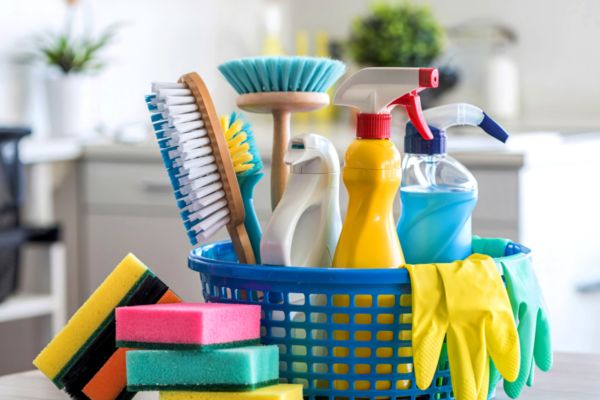
Keeping Cleaning Supplies Within Reach
One surprisingly effective habit is storing basic cleaning supplies close to where they’re actually used.
People are much more likely to wipe bathroom sinks regularly if cleaning cloths and spray bottles are already nearby. Kitchen spills get cleaned faster when supplies are accessible instead of hidden deep inside storage cabinets.
This sounds obvious, but convenience shapes behavior more than most people realize.
If every cleaning task requires searching for products, carrying equipment between rooms, or gathering supplies first, small messes are more likely to be postponed. Delayed cleaning almost always becomes harder cleaning later.
Busy households benefit from reducing friction wherever possible.
Even simple things like keeping disinfecting wipes under bathroom sinks or storing microfiber cloths in multiple rooms can quietly improve household routines without requiring extra effort.
Laundry Feels Endless Because It Never Really Ends
Laundry is one of the few household chores that regenerates almost immediately after completion. That’s partly why it feels mentally draining for so many families.
The challenge usually isn’t washing clothes. It’s the endless cycle surrounding them — sorting, drying, folding, putting away, and rediscovering forgotten loads sitting in baskets hours later.
Some households simplify laundry by reducing unnecessary complexity. Washing similar colors together, using fewer specialized cycles, or folding clothes immediately after drying prevents piles from multiplying around the home.
Others focus on consistency rather than volume.
Doing one smaller load daily often feels more manageable than facing towering weekend laundry mountains. It also reduces visual clutter, which affects how stressful homes feel overall.
Interestingly, visible mess tends to feel more emotionally overwhelming than hidden mess, even when the actual workload is similar.
Kitchen Cleaning Becomes Easier With Timing
Kitchens rarely stay clean for long, especially in active households. Meals generate dishes, crumbs, spills, packaging, and clutter almost continuously throughout the day.
Timing matters more than perfection here.
Cleaning while cooking often reduces overall effort significantly. Washing cutting boards during simmering time or wiping counters immediately after spills prevents hardened mess later. Letting dishes soak right away also saves effort compared to scrubbing dried food afterward.
The kitchen tends to reward immediacy.
Small resets after meals keep mess from spreading into surrounding spaces. Otherwise, kitchens quietly become holding areas for everything else — mail, chargers, grocery bags, water bottles, homework, and random objects that somehow drift there throughout the day.
Busy households function more smoothly when kitchens remain reasonably manageable, even if not perfectly organized.
Entryways Control More Mess Than People Realize
Front doors and entryways quietly influence the cleanliness of entire homes.
Shoes track dirt inside. Bags pile onto chairs. Jackets end up scattered across furniture. Mail collects on nearby surfaces. These transition zones often determine whether clutter spreads quickly or stays contained.
Simple entryway systems help reduce that overflow.
Hooks for jackets, trays for shoes, baskets for keys, and designated drop zones for bags create structure without requiring strict organization. The goal isn’t aesthetic perfection. It’s reducing the number of decisions people make while entering the house tired or distracted.
Homes tend to stay cleaner when everyday objects already have obvious resting places.
Otherwise, clutter expands outward room by room almost automatically.
The Mental Weight of Visual Clutter
Cleaning isn’t only physical. It’s psychological too.
Visual clutter affects concentration, stress levels, and even how restful a home feels after long days. A crowded countertop or overflowing table creates subtle mental noise, even if people stop consciously noticing it after a while.
Busy households often benefit more from reducing visible clutter than from obsessing over hidden areas.
Clear surfaces immediately make spaces feel calmer. Open floor areas improve movement. Organized shelves reduce sensory overload. None of this requires minimalist living or perfectly styled interiors. It simply means creating enough visual breathing room for homes to feel functional again.
Sometimes a room feels cleaner simply because fewer things are competing for attention.
That emotional shift matters more than spotless perfection.
Cleaning Routines Work Better When They Match Real Life
One reason many cleaning systems fail is that they’re built around unrealistic expectations.
Perfectly structured schedules often collapse once real life intervenes. Work runs late. Kids get sick. Guests arrive unexpectedly. Exhaustion takes over. Suddenly the carefully planned cleaning routine disappears completely.
Flexible systems tend to survive longer.
Busy households usually benefit from adaptable habits instead of rigid schedules. Maybe bathrooms get cleaned every few days rather than every Saturday morning exactly. Maybe laundry timing shifts weekly. What matters most is consistency over time, not strict precision.
Homes are lived-in environments, not static displays.
Accepting that reality often reduces guilt surrounding ordinary household mess.
Technology and Modern Cleaning Habits
Technology has quietly reshaped household cleaning in recent years.
Robot vacuums, cordless cleaning tools, steam devices, and automated appliances reduce physical effort for many households. Some people find these tools genuinely transformative, especially in homes with pets or children.
Still, technology doesn’t eliminate cleaning entirely. It mostly reduces repetitive tasks or lowers the energy required to maintain baseline cleanliness.
The larger shift may actually be convenience itself.
Cordless vacuums encourage faster spot cleaning because there’s less setup involved. Dishwashers reduce kitchen workload. Washing machines with delayed timers help families coordinate chores more flexibly around busy schedules.
Modern cleaning increasingly revolves around efficiency rather than traditional deep-cleaning rituals.
Accepting That “Clean Enough” Is Sometimes Enough
Perhaps the most important shift for busy households is redefining what cleanliness actually means.
Social media and perfectly staged interiors often create unrealistic expectations about how homes should look constantly. Real homes rarely function that way, especially when multiple people share them daily.
A clean home doesn’t necessarily mean flawless surfaces or magazine-level organization. Sometimes it simply means functional spaces where people can relax, cook, sleep, and move comfortably without constant stress.
That distinction matters.
Busy households often feel lighter emotionally once they stop chasing impossible standards and focus instead on systems that genuinely improve daily life.
Clean enough is often healthier and more sustainable than perfection.
Conclusion
The best cleaning hacks for busy households aren’t complicated or dramatic. They’re usually small habits, thoughtful routines, and practical shortcuts that prevent mess from becoming overwhelming in the first place.
Short cleaning bursts, simplified laundry systems, manageable kitchen habits, and reduced visual clutter all help homes feel calmer without requiring endless hours of work. More importantly, these approaches fit more naturally into real life, where schedules shift constantly and perfection rarely lasts more than a few minutes anyway.
A clean home is ultimately less about appearances and more about how a space feels to live in. When cleaning systems reduce stress rather than add to it, homes become more comfortable, functional, and easier to maintain over time.
And honestly, in a busy household, that’s usually enough.