
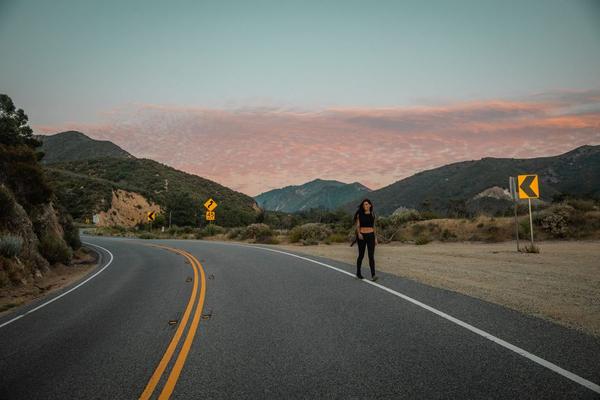
Traveling alone as a woman in the United States can feel wonderfully freeing: no negotiating museum stops, no waiting for someone else to wake up, and no apologizing for spending an afternoon in a bookstore. Still, a successful trip takes more thought than choosing a beautiful destination. Where you stay, how you arrive, and what you do after dark can shape the experience as much as the attractions.
This guide to solo female travel in the USA covers enjoyable destinations, realistic safety decisions, transport, and packing. The goal isn’t to promise a risk-free holiday. It’s to help you travel confidently without turning every moment into a security exercise.
Choose a Destination That Fits Your Travel Style
Lists of the safest cities for women often offer tidy rankings, but citywide statistics rarely tell you what a particular neighborhood or late-night walk will feel like. Look instead for straightforward transport, well-reviewed accommodation, and activities you genuinely enjoy.
Boston, Massachusetts: An Easy Urban Introduction
Boston offers compact historic neighborhoods, museums, waterfront walks, and public transportation. Stay near a convenient transit stop rather than booking the cheapest room far from your plans. Following the Freedom Trail during daylight gives you a flexible first-day itinerary without needing a car.
Washington, DC: Museums and Independent Exploring
The Smithsonian museums and National Mall make Washington appealing for women traveling alone who enjoy culture. Choose accommodation with a simple Metro journey, check station exits in advance, and plan your return before evening. Confirm museum hours before visiting.
Santa Fe, New Mexico: Art and a Slower Pace
Santa Fe’s historic Plaza, galleries, and distinctive architecture suit unhurried days. Its altitude and dry climate deserve respect: drink water, use sunscreen, and give yourself time to adjust. Arrange transport in advance if exploring beyond town; ride-hailing may not be convenient everywhere.
Portland, Maine: A Manageable Coastal Break
Portland’s Old Port, waterfront, and food scene work well for a shorter solo escape. It’s especially appealing if you like walking and joining a daytime harbor excursion. Pack an extra layer, as coastal weather can change quickly.
San Diego, California: Beaches and Museums
San Diego combines Balboa Park, coastal scenery, and distinctive neighborhoods. Attractions are spread out, however, so choose a base near your priorities and budget for transport. Schedule beach visits around daylight, weather, and posted water-safety warnings.
Build a Safety Plan That Doesn’t Take Over Your Trip
The best solo female travel tips are simple routines, not complicated gadgets. Before booking, read recent reviews from solo guests, examine the entrance and surrounding streets on a map, and check whether reception is staffed when you expect to arrive.
Share your accommodation address and loose itinerary with someone you trust. Agree on check-ins, perhaps after arrival and after a remote day trip. You don’t need to broadcast your exact location publicly or post where you’re sleeping in real time.
Keep your phone charged, save offline maps, and carry a backup payment method separately. In an immediate emergency in the United States, call 911 for police, fire, or medical assistance. If someone makes you uncomfortable, enter a staffed business, ask for help, or change your plans. Being polite is never more important than your safety.
For hiking, follow National Park Service advice: check trail conditions, carry sufficient water and supplies, and leave a route and return time with a trusted contact. Cellular service can disappear in parks. A remote trail isn’t the best place to test your first solo hike.
Make Arrival Day Deliberately Simple
Your first afternoon sets the tone. Arrive while public transportation is running regularly, if possible. Download transit maps before leaving the airport. If you use a rideshare, match the registration and driver details to the app before entering and consider sharing your ride status.
Imagine arriving at Boston Logan Airport for a long weekend. Rather than taking a late flight, navigating unfamiliar transfers while exhausted, and staying far outside town, you book near a transit stop, arrive in daylight, and plan only a neighborhood walk and early dinner. Sightseeing starts the next morning. That small decision makes an unfamiliar city feel more manageable.
For domestic flights, passengers aged 18 or older should review Transportation Security Administration identification rules. Since May 2025, non-REAL-ID-compliant state licenses have not been accepted as standard checkpoint ID; an acceptable alternative, such as a passport, can be used.
Pack for Mobility and Independence
A streamlined bag is easier to carry through stations and upstairs. Pack for the actual season rather than every possible scenario: broken-in walking shoes, versatile layers, essential medications, a refillable bottle, a compact rain jacket, and any menstrual products you need.
Bring a power bank, charging cable, small secure day bag, and offline copies of accommodation details. Store digital backups of important documents somewhere private. A personal alarm may be reassuring, but it doesn’t replace awareness or knowing where to get help. Check airline and local rules before packing defensive items.
A practical solo travel packing checklist can stop you overpacking. Often the most useful additions are ordinary things: blister plasters, a spare charging cable, and comfortable clothes you’ll actually wear.
Connect With People on Your Own Terms
Solo travel doesn’t mean isolation. Walking tours, cooking classes, museum events, and small-group excursions let you meet people without depending on strangers for your entire itinerary. Choose established operators with clear meeting points and recent reviews.
Equally, you never owe anyone your accommodation address, phone number, or an explanation for declining an invitation. If eating alone feels awkward, try a café counter or casual lunch spot first. Explore the best solo travel destinations in the USA for more ideas, and compare each by transit, season, and budget rather than popularity alone.
Frequently Asked Questions
Is the USA safe for women traveling alone?
Many women travel independently across the country, but risks differ by neighborhood, activity, and time of day. Review current local information and choose reliable transport rather than assuming an entire city is safe or unsafe.
Where should I go on my first solo trip?
Boston and Washington, DC are practical choices for museum lovers who want public transport and structured sightseeing. The best first destination is one that fits your interests and comfort level.
Do I need to rent a car?
Not necessarily. Many urban breaks work with walking and transit. A car may be useful for smaller towns, dispersed attractions, and scenic drives. Compare routes before deciding, especially when planning a solo road trip.
How can I avoid feeling lonely?
Book one organized activity, stay in touch with someone at home, and embrace quiet time. A trip can be social without filling every hour with company.
Start With One Trip That Feels Like Yours
Memorable female travel destinations aren’t necessarily the most adventurous or photographed. They’re places where you can follow your curiosity while managing practical details with confidence. Choose an inviting base, plan a manageable arrival, and leave room for surprises. You don’t have to prove anything by traveling alone; you simply get to experience the USA on your own terms.