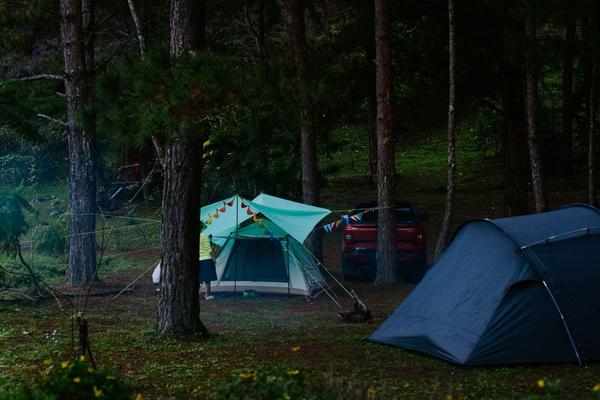
Your first camping trip should feel adventurous, not like a survival test. The best campgrounds for beginners combine memorable scenery with practical basics: straightforward road access, reservable sites, drinking water, restrooms, nearby supplies, and activities that do not require advanced outdoor skills. The destinations below are especially well suited to tent and car camping, giving first-timers a comfortable base while still delivering the campfire-and-stars experience they came for.
What Makes a Campground Beginner-Friendly?
Easy campgrounds reduce uncertainty. Look for a clearly marked site with vehicle parking, a picnic table, a fire ring, potable water, and flush toilets. A staffed entrance, camp store, shuttle stop, or nearby town can also make a big difference when you forget ice, batteries, or a tent stake. Showers are helpful but not essential for a short stay; many national park campgrounds do not have them.
For a first trip, reserve two nights rather than committing to a full week. Arrive well before dark, practice pitching your tent at home, and choose a site close enough to the restroom for convenience but not directly beside it. A simple first-time camping checklist can prevent most avoidable problems.
The Best Campgrounds for Beginners Across the USA
Blackwoods Campground, Acadia National Park, Maine
Blackwoods is a strong introduction to national park camping because it places campers close to Acadia’s popular roads, trails, and coastal scenery. Sites are wooded, and the ocean is within walking distance. Seasonal flush toilets and drinking water cover the essentials, while nearby Bar Harbor provides groceries, restaurants, outdoor shops, and paid shower options. It suits campers who want nature without feeling cut off from services.
Big Meadows Campground, Shenandoah National Park, Virginia
Set near the middle of Skyline Drive, Big Meadows offers easy access to the Byrd Visitor Center, Dark Hollow Falls, and the park’s broad meadow habitat. Seasonal drinking water, flush toilets, a camp store, laundry facilities, and on-site staff make it one of the most practical beginner camping spots in the East. All campsites are reservable, removing the stress of arriving without knowing where you will sleep.
Devil’s Lake State Park, Wisconsin
Devil’s Lake is one of the most comfortable family campgrounds for learning the basics. Its three regular campgrounds offer reservable sites with parking, tent space, picnic tables, and fire rings. Seasonal drinking-water taps and multiple restroom buildings with individual showers are especially reassuring for camping for first timers. During the day, beginners can choose between swimming, picnicking, lakeside walks, and more challenging bluff trails as confidence grows.
Mather Campground, Grand Canyon National Park, Arizona
Mather delivers a major national park experience without requiring a remote drive or backcountry skills. It sits in Grand Canyon Village near shuttle buses, stores, visitor services, and the South Rim. Campsites have parking, tent space, picnic tables, and fire rings, while the campground provides drinking water and flush toilets. Hot showers and laundry are available at nearby Camper Services, making this a practical road-trip stop.
Watchman Campground, Zion National Park, Utah
Watchman is one of the easiest ways to camp beneath Zion’s sandstone cliffs. It is beside the visitor center, close to the pedestrian entrance, and convenient to Springdale’s shops and restaurants. The campground has potable water, flush toilets, staff, and straightforward vehicle access, although it does not offer showers. Reservations are required and peak dates fill quickly. Spring and autumn are often more comfortable than the intense summer heat.
Colter Bay Campground, Grand Teton National Park, Wyoming
Colter Bay works well for beginners who want dramatic scenery plus nearby services. The large campground sits in a lodgepole pine forest near Colter Bay Village, where campers can find a store, restaurants, visitor information, showers, and laundry. Campsites include picnic tables and fire pits, and most have bear-resistant storage boxes. Following food-storage rules is essential, but the provided infrastructure makes that responsibility easier for first-time visitors.
Kalaloch Campground, Olympic National Park, Washington
Kalaloch offers an accessible taste of the Pacific coast. The campground has reservable summer dates, flush toilets, potable water, and a dump station, with some sites overlooking the ocean. The setting feels wild, yet campers remain beside a paved coastal route rather than deep in the backcountry. Pack rain protection, keep food secured, and expect cool evenings. A waterproof tent setup guide is useful preparation for this damp but rewarding destination.
Bahia Honda State Park, Florida
For campers who dislike cold nights, Bahia Honda provides a warm-weather alternative in the Florida Keys. Tent-friendly sites are available, and facilities include restrooms, hot showers, picnic tables, grills, and water, with amenities varying by loop. The beaches and tropical setting make it easy to plan a relaxed schedule. Reserve far ahead, check site dimensions carefully, and bring shade because sun exposure can be stronger than beginners expect.
How to Choose the Right First Campground
Match the campground to the challenge you actually want. Choose Devil’s Lake or Bahia Honda if showers and comfort matter most. Pick Mather, Watchman, or Big Meadows for simple access to famous scenery. Choose Blackwoods or Kalaloch for a wooded or coastal atmosphere. Colter Bay requires more attention to cold nights and wildlife rules, but its nearby village makes those challenges manageable.
Before booking, check the official campground page for opening dates, alerts, fire restrictions, reservation rules, and facility availability. Seasonal water systems and restrooms can close during colder months. Confirm that your exact site fits your tent and vehicle rather than assuming every campsite has the same layout.
Frequently Asked Questions
What type of campsite is best for a first-time camper?
A reservable drive-in site at a developed campground is usually best. You can park beside or near your tent, carry gear easily, and use shared restrooms and drinking-water points.
How many nights should a beginner camp?
Two nights is a comfortable starting point. It gives you a full day outdoors while keeping the trip manageable if the weather, sleep setup, or cooking routine is not ideal.
Do beginner campgrounds usually have showers?
Some state parks and private campgrounds do, but many national park campgrounds do not. Check the facility list and look for nearby paid showers if that amenity matters to you.
How early should campsites be reserved?
Popular national and state park sites may fill months ahead, especially for summer weekends. Book as soon as your dates are firm, then review cancellation rules in case plans change.
A Comfortable First Step Outdoors
The right campground lets you focus on cooking outside, watching the light change, and waking up somewhere beautiful instead of worrying about logistics. Start with developed facilities, keep the trip short, and choose a destination suited to the season. Once you have managed one or two nights at an easy campground, future trips will feel far less intimidating and much more inviting.