
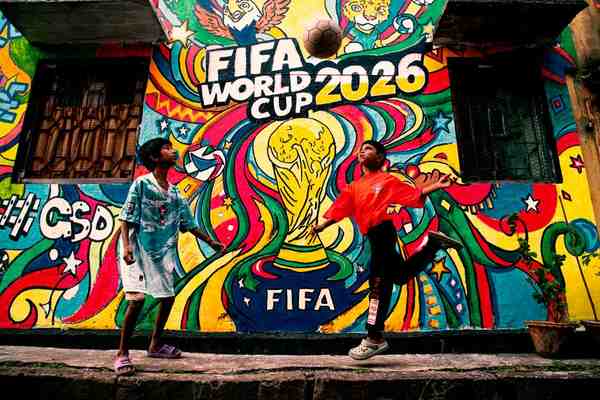
The 2026 FIFA World Cup did more than bring the world’s biggest soccer tournament to American stadiums. It placed the sport at the centre of everyday conversation across the country. Matches filled major venues, watch parties transformed city centres, and millions of casual viewers found themselves discussing line-ups, goals and knockout scenarios.
That is the clearest answer to how world cup 2026 changed soccer in america: it made the game feel immediate, local and culturally relevant. Major League Soccer, the National Women’s Soccer League, international broadcasts and decades of youth participation had already built a foundation. The World Cup added unprecedented scale and a shared national moment.
A Tournament That Made Soccer Impossible to Ignore
The expanded competition featured 48 teams and 104 matches across Canada, Mexico and the United States. Eleven American host areas, from Seattle and Los Angeles to Atlanta, Miami and New York New Jersey, became stages for global soccer. That spread reached different regions, supporter cultures and immigrant communities at the same time.
Nearly seven million spectators attended matches across the tournament, far beyond the previous single-World Cup record set in the United States in 1994. Fan festivals extended the experience beyond ticket holders, putting soccer on public screens and throughout host-city neighbourhoods.
This changed how the sport was presented. Soccer was no longer framed as an American interest still waiting for a breakthrough. During the tournament, it operated as a mainstream entertainment product capable of filling the country’s largest stadiums and dominating sports coverage for more than a month.
Record Viewing Turned It Into a National Event
Television and streaming numbers offered another strong sign of changing soccer popularity USA audiences could see in real time. The final between Spain and Argentina became the most-watched soccer match in United States history. FOX averaged almost 39 million viewers for its English-language broadcast, while combined English- and Spanish-language coverage reached an even larger audience.
Strong viewing was not limited to the final or matches involving the United States. Fans followed the competition itself, its stars and its stories. Home time zones helped, with many games airing at convenient hours for families, workplaces and social gatherings.
Repeated exposure also gave new viewers time to understand tournament soccer. A casual viewer could recognise players, choose a team and become invested by the knockout rounds.
The World Cup Gave Domestic Soccer a Commercial Lift
The crucial question was what would happen after the final. Early evidence suggests the tournament transferred attention to the domestic game. Major League Soccer reported a sharp post-World Cup increase in ticket sales and stronger television viewing, describing the event as a major source of momentum.
That bridge from international spectacle to weekly club soccer is central to the World Cup legacy. A tournament can inspire people, but lasting growth depends on whether supporters continue buying tickets, watching local teams and following players afterward. MLS clubs, lower-division teams and women’s professional clubs now have a larger pool of curious fans to convert into regular supporters.
Broadcasters, sponsors and retailers also received clearer evidence of soccer’s commercial value. Large, diverse audiences can influence media investment, sponsorship decisions and marketing budgets.
Youth Soccer Growth Depends on Access
The tournament is expected to support youth soccer growth, although it is too early to measure the full national effect only weeks after the final. Inspiration may lead children to ask for a ball, join a school team or try a local programme. Participation will last, however, only when families can find affordable coaching, safe pitches and welcoming clubs.
Legacy programmes began addressing that challenge before kickoff. In New York and New Jersey, plans included 26 new mini-pitches, programmes intended to engage at least 25,000 young people in underserved communities and training for 1,000 coaches. U.S. Soccer also organised free community events and youth activities designed to carry the tournament beyond host stadiums.
These efforts may matter more than any viewing record. Access remains uneven because travel, equipment and club fees can be expensive. A meaningful legacy should be judged by whether more children can play regularly, not simply by how many watched the final.
A More Confident American Soccer Culture
The tournament reflected the multicultural character of the United States. Supporters with family ties to Latin America, Europe, Africa, Asia and the Caribbean brought different songs, traditions and loyalties into the same public spaces. For many communities, the World Cup was both an American event and a celebration of heritage.
That energy weakened the old idea that soccer sits outside American identity. The sport’s strength in the United States comes partly from its ability to connect local communities with a global game. The 2026 tournament made that connection visible on an unprecedented scale.
It also gave younger fans a new baseline. They saw packed stadiums, record broadcasts and major brands treating soccer as a central event. For them, the question may no longer be whether soccer can become popular in America, but how large its place in American culture can become.
What Will Define the World Cup Legacy?
The excitement of a home World Cup will naturally fade. The lasting test begins now. Clubs and governing bodies need to keep new fans engaged, improve pathways for young players, support coaches and invest in accessible facilities. Broadcasters must make domestic competitions easy to find, while teams need affordable and welcoming matchday experiences.
The 2028 Los Angeles Olympics will give soccer another major platform soon after the World Cup. Used well, that sequence could turn a one-time surge into a longer period of growth.
Frequently Asked Questions
How did the 2026 World Cup increase soccer’s popularity in America?
It increased visibility through packed stadiums, fan festivals, convenient broadcast times and record television audiences. It also introduced casual viewers to international stars and created fresh interest in domestic soccer.
Did the World Cup help Major League Soccer?
Yes. MLS reported significant increases in ticket demand and television viewing after the tournament. The longer-term impact depends on whether clubs turn first-time or returning viewers into regular supporters.
Will the World Cup lead to more youth soccer participation?
It is likely to encourage interest, but reliable nationwide post-tournament data will take time. Sustainable growth depends on affordable programmes, trained coaches and safe places to play.
What is the most important part of the World Cup legacy?
The most valuable legacy would be a stronger soccer system after the event: more regular fans, better community facilities, broader youth access and greater investment in professional and grassroots competitions.
Conclusion
The 2026 World Cup changed American soccer by proving that the sport can command enormous attention across regions, languages and generations. Record audiences and packed venues created the spectacle, but the deeper change is the confidence surrounding the game. Soccer now has a larger cultural and commercial platform in the United States. Whether that moment becomes a permanent transformation will depend on what leagues, communities and governing bodies build from it.