
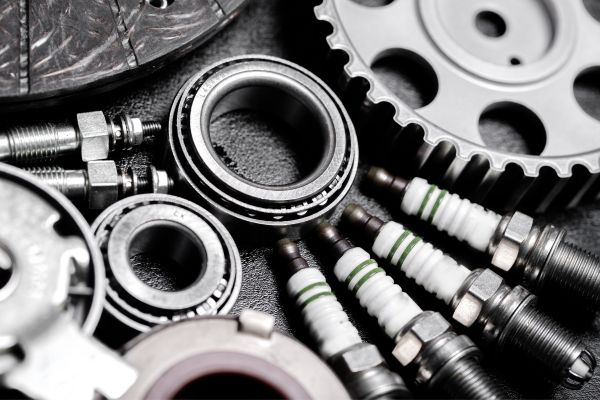
Owning a vehicle means accepting that maintenance and repairs are part of the journey. Even a well-built car will eventually need attention as its tires wear, fluids deteriorate, and mechanical components age. For drivers seeking auto repair in Fredericksburg, VA, understanding these needs can make vehicle ownership less stressful and help prevent minor issues from becoming expensive problems.
Fredericksburg drivers encounter a mixture of local traffic, highway travel, seasonal temperature changes, and varying road conditions. These factors can affect brakes, batteries, tires, suspension systems, and other important components. A thoughtful approach to maintenance is therefore not just about keeping a vehicle running. It is about improving safety, reliability, and confidence behind the wheel.
Why Preventive Maintenance Deserves Attention
Many drivers wait until a warning light appears or the vehicle begins making an unusual sound before scheduling service. While some problems develop suddenly, others give subtle signs long before a breakdown occurs. Preventive maintenance allows these concerns to be identified earlier.
Oil changes are among the most familiar maintenance tasks, but they are only one part of vehicle care. Brake inspections, tire rotations, fluid checks, battery testing, belt inspections, and filter replacements all contribute to dependable performance. The appropriate schedule depends on the vehicle’s age, mileage, design, and driving environment.
Frequent short trips can be surprisingly demanding because the engine may not always reach its ideal operating temperature. Stop-and-go traffic places additional pressure on brakes and cooling systems. Regular highway driving may be easier on some components, but it can accelerate tire wear and expose existing alignment problems.
A maintenance schedule should therefore reflect real driving habits rather than relying entirely on a generic timeline.
Recognizing Early Signs of Vehicle Trouble
Vehicles often communicate problems through changes in sound, feel, smell, or performance. Paying attention to those changes can make diagnosis easier and reduce the likelihood of further damage.
A squealing sound during braking may indicate worn brake pads, while grinding can suggest that the issue has progressed. Steering-wheel vibration may be related to tire balance, alignment, suspension wear, or brake components. A slow engine start could point to a weak battery, charging-system trouble, or an electrical connection problem.
Fluid spots beneath a parked vehicle should also be investigated. Clear water from the air-conditioning system is usually normal, but dark oil, brightly colored coolant, or reddish transmission fluid may indicate a leak. Similarly, a sudden decline in fuel economy can sometimes reveal a mechanical or sensor-related issue.
Not every unusual symptom signals a major repair. Still, documenting when the problem occurs can help a technician identify its source. Drivers should note whether the symptom appears during acceleration, braking, turning, idling, or cold starts.
Understanding Dashboard Warning Lights
Modern dashboards provide valuable information, but warning lights can also cause confusion. Some indicators are reminders, while others signal a condition that requires immediate attention.
A steady check-engine light may be associated with anything from a loose fuel cap to an emissions or engine-management problem. A flashing check-engine light is generally more urgent and may indicate a misfire capable of damaging other components. Oil-pressure and overheating warnings also deserve immediate attention because continuing to drive could cause serious engine damage.
The best response depends on the symbol, its color, and how the vehicle is behaving. If a warning appears alongside smoke, overheating, loss of power, or an unusual mechanical sound, stopping in a safe location is often wiser than continuing the journey.
Diagnostic scanning can identify a stored fault code, but the code does not always reveal the complete repair. It points technicians toward the affected system, after which proper testing is needed to determine the underlying cause.
How Seasonal Conditions Affect Fredericksburg Vehicles
Seasonal changes can expose weaknesses that were previously difficult to notice. Summer heat places stress on batteries, cooling systems, tires, and air-conditioning components. A cooling system that is slightly low on coolant may appear normal during mild weather but struggle when temperatures rise or traffic slows.
Winter creates a different set of concerns. Cold weather can reduce battery output, change tire pressure, and make worn belts or hoses more vulnerable. Temperature fluctuations may also cause tire-pressure warning lights to appear, particularly when tires are already near the recommended minimum.
Spring and autumn are useful times for broader inspections. Checking wiper blades, exterior lights, tire tread, fluid levels, and the condition of rubber components can prepare a vehicle for the weather ahead. These routine checks are relatively simple, yet they often prevent inconvenient problems.
Choosing a Mechanic With Confidence
Finding a dependable mechanic involves more than comparing prices. Clear communication, careful diagnosis, and transparent explanations are equally important.
A professional repair process should begin with a discussion of the symptoms and relevant service history. After inspection, the technician should be able to explain what was found, why the repair is necessary, and whether the problem is urgent. Drivers should also understand the estimated cost before authorizing substantial work.
Written estimates are useful because they clarify labor, parts, taxes, and additional charges. If more than one issue is discovered, asking which repairs affect immediate safety and which can be monitored may help with budgeting.
It is also reasonable to ask whether replacement parts are original-equipment, aftermarket, new, or remanufactured. Different options can be appropriate depending on the vehicle and repair. What matters is understanding the choice rather than discovering it afterward.
The Value of Service Records
Maintenance records create a practical history of the vehicle. They show when fluids were replaced, which components have already been repaired, and whether recurring symptoms have been investigated.
These records can help avoid unnecessary duplication. They may also reveal patterns, such as repeated tire wear that points to an unresolved alignment or suspension issue. When selling or trading a vehicle, organized service documentation can give a prospective buyer a clearer picture of how the car was maintained.
Records do not need to be complicated. Invoices, inspection reports, and brief notes about mileage and symptoms can provide enough context for future decisions. Keeping this information together also makes conversations with a technician more productive.
Building a Sensible Long-Term Repair Strategy
Vehicle care becomes easier when maintenance is treated as an ongoing process instead of a sequence of emergencies. Drivers can begin by learning the manufacturer’s recommendations, monitoring changes in performance, and scheduling inspections before long trips or demanding seasons.
For local owners comparing service options, Express Auto Service is one example of a provider offering information for anyone looking for a mechanic Fredericksburg VA. Regardless of which shop a driver chooses, the decision should be based on communication, diagnostic care, documented estimates, and confidence in the work being recommended.
Reliable transportation depends on many small decisions made over time. Responding to warning signs, keeping accurate records, and staying consistent with preventive maintenance can extend a vehicle’s useful life while reducing unexpected disruptions. In the end, thoughtful auto repair is less about reacting to every noise with alarm and more about understanding the vehicle well enough to act at the right moment.