
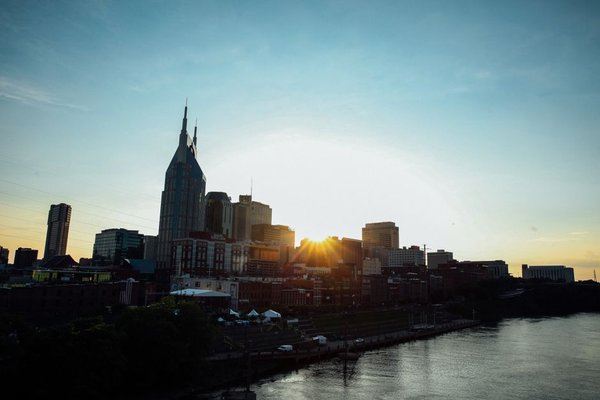
Nashville draws visitors with live music, historic stages, hot chicken, and a nightlife scene that has become a magnet for bachelorette parties and weekend getaways. Yet the city has far more to offer than a crowded stretch of Broadway. This Nashville Tennessee travel guide covers the best seasons, essential attractions, and ways to discover Music City beyond its famous honky-tonks. With a little planning, you can enjoy its big-name venues without missing the neighborhoods and stories that make the destination distinctive.
When Is the Best Time to Visit Nashville?
For many travelers, April through May and September through October offer the most comfortable balance of Nashville weather and outdoor activities. Your ideal dates depend on whether you prioritize walking, festivals, nightlife, or lower crowds.
Spring: Great for Walking, With Unpredictable Rain
April’s average afternoon high is around 73°F, climbing to roughly 80°F in May, according to National Weather Service climate normals. Parks, patios, and neighborhood strolls are especially inviting. Spring thunderstorms can disrupt outdoor plans, so pack a rain layer and monitor forecasts. Popular weekends often require early hotel and ticket reservations.
Summer: Lively but Hot and Humid
June through August has long evenings and an energetic event calendar, but humidity matters. July’s normal high is around 91°F. Plan indoor attractions around midday, carry water, and leave recovery time between activities. Major concerts and festivals can push up hotel prices.
Fall and Winter: Cooler Options
October brings normal highs in the low 70s°F, making it particularly appealing for exploring on foot. Winter is cooler, with January highs averaging around 49°F and occasional freezing conditions. Snow is possible but not dependable. If your priority is indoor concerts rather than sightseeing, visiting Nashville can work in any season.
Top Nashville Attractions Worth Your Time
Ryman Auditorium
The Ryman is one of America’s iconic music stages and a former home of the Grand Ole Opry. A daytime tour explains its history and atmosphere; an evening performance shows why musicians still value the room. Check the performance calendar before building your itinerary.
Country Music Hall of Fame and Museum
Explore instruments, stage outfits, recordings, and exhibits covering the evolution of country music. Located downtown, the museum pairs naturally with a Ryman visit. Allow enough time to appreciate the stories instead of simply moving from display to display.
Grand Ole Opry
The Opry’s live shows bring established artists and rising performers together. This is a memorable evening for serious music fans, but remember that the Opry House is in the Music Valley area, roughly ten miles from downtown. Reserve tickets ahead and allow travel time; it is not a quick walk from Nashville Broadway.
National Museum of African American Music
To understand the city’s broader musical heritage, visit this downtown museum devoted to Black musical traditions and their influence on American culture. Exhibits span gospel, blues, jazz, R&B, hip-hop, and more. It adds essential context to a trip often framed entirely around country music.
Centennial Park and the Parthenon
Nashville’s full-scale Parthenon replica is an unexpected landmark set within Centennial Park. Visit for a slower afternoon, especially after an evening of live music. The grounds offer a welcome contrast to busy downtown sidewalks.
Experience Broadway Without Spending Your Whole Trip There
Lower Broadway is lined with neon-lit honky-tonks where performers play throughout much of the day and evening. You do not have to stay out until midnight to enjoy it. An early-evening visit gives you live music and atmosphere before the largest crowds gather.
Be prepared for loud rooms and queues on busy weekends. Cover charges, minimum ages, and entertainment schedules vary by venue, so check individual rules. Tip musicians when appropriate, confirm prices, and avoid assuming that every bar will be a comfortable place for conversation.
Find Nashville Beyond the Party Scene
East Nashville offers independent eateries, coffee shops, and smaller performance spaces. The 12 South neighborhood is known for boutiques, murals, and casual dining, while Germantown is rewarding for a meal away from Broadway. These areas have different personalities, and a rideshare may be more practical than walking between them.
Music Row is another common source of confusion. It is associated with Nashville’s recording industry rather than being a second strip of tourist bars. If songwriting or studio history interests you, investigate a Historic RCA Studio B tour and confirm current availability. For an extended visit, a Tennessee road trip itinerary can help connect the city with other destinations across the state.
A Relaxed Two-Day Nashville Itinerary
Day One: Music History and Downtown
Start at the Country Music Hall of Fame, break for lunch, then visit the Ryman in the afternoon. Spend a little time near the riverfront before heading to Broadway for dinner and early-evening music. This route groups most of your stops in a walkable downtown area.
Day Two: Neighborhoods and a Show
Choose the National Museum of African American Music or Centennial Park in the morning. Explore 12 South or East Nashville later in the day, depending on your interests. If you booked the Grand Ole Opry, eat early and leave a generous buffer for travel to Music Valley. Trying to squeeze it between downtown reservations often creates unnecessary stress.
Where to Stay and Getting Around
Downtown and SoBro are convenient for visitors focused on music and nightlife, although hotels can be expensive on popular weekends. Other neighborhoods may offer a quieter base, but compare accommodation savings against transport costs. Central Nashville is walkable within a limited area; the wider city is spread out.
Rideshares, taxis, and rental cars help with farther attractions. Check parking fees and event-related road closures before driving downtown. A guide to US city weekend breaks can help you compare a two-night visit with a longer stay, while a country music landmarks guide is useful for building a performance-focused trip.
Frequently Asked Questions
How many days do you need in Nashville?
Two full days cover major downtown sights and an evening of music. Three days allow more time for the Opry, neighborhoods, and relaxed meals without rushing.
Is Nashville worth visiting if you do not like country music?
Yes. Museums, parks, restaurants, and music beyond country offer plenty of variety. The National Museum of African American Music is an excellent example.
Is Nashville Broadway suitable for families?
Some daytime sightseeing and music experiences are family-friendly, but individual bars may have age restrictions, particularly at night. Always check entry policies.
Do you need a car in Nashville?
Not for a downtown-centered trip. Reaching the Opry and farther neighborhoods usually requires a rideshare, taxi, rental car, or a carefully planned transit journey.
Make Room for the Unexpected
The best Nashville trip combines a landmark performance with the freedom to explore somewhere less familiar. Choose dates suited to your comfort with heat or cooler weather, book your must-see show, and leave time beyond Broadway. The city is at its most interesting when you experience more than its nightlife reputation.