
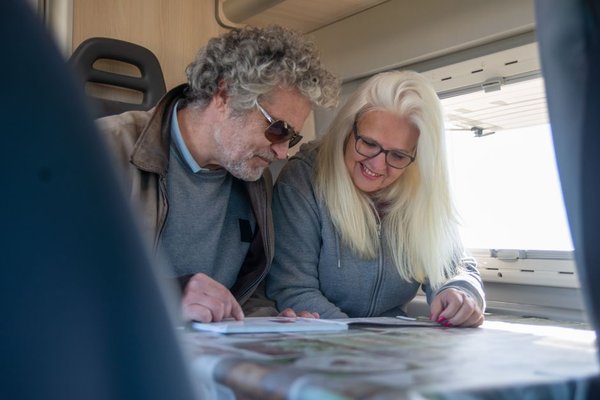
RV travel appeals to first-timers because it combines the freedom of a road trip with a private place to sleep, cook, and slow down between stops. That comfort can make domestic travel feel less rushed, but an RV is not simply a larger car. Successful RV trip planning means thinking about vehicle size, campground access, fuel, water, driving time, and overnight stops before you leave the driveway.
Start With the Trip, Not the RV
Before comparing motorhomes or trailers, decide what kind of journey you want. A long weekend at one campground requires a different setup from a ten-day loop with daily driving. Choose your travel dates, the regions you want to visit, and how often you realistically want to move.
For a first time RV trip, fewer stops usually create a better experience. Driving an RV takes more concentration, parking takes longer, and setting up camp adds time at the end of the day. A route that looks easy in a passenger car can feel busy in a larger vehicle.
Choose an RV That Matches Your Comfort Level
First-time renters often focus on beds and interior space, but drivability matters just as much. A smaller motorhome is usually easier to park and maneuver. Travel trailers can be comfortable, but they require a suitable tow vehicle and confidence with hitching, backing, and turning.
RV Rental Tips for Beginners
Ask exactly what is included in the rental price. Mileage allowances, generator use, kitchen kits, linens, cleaning charges, insurance options, roadside assistance, and pet fees can vary. Confirm the vehicle’s total length and height, and learn where the freshwater fill, electrical connection, propane system, and wastewater controls are located before departure.
If possible, record a short video during the rental walkthrough. It is much easier to replay instructions at a campsite than to remember every switch and valve after a long driving day.
Build RV Road Trip Routes Around the Vehicle
A good route is more than a line between attractions. Check that roads are appropriate for your RV, especially around mountains, older towns, tunnels, or other areas where clearances and sharp turns may matter. Do not assume the fastest navigation option is automatically the best RV route.
Plan fuel stops before the tank becomes low, and favor stations with enough room to enter, turn, and exit comfortably. Add extra driving time for slower acceleration, wider turns, traffic, rest breaks, and setup on arrival.
Campground details deserve the same attention. Individual sites may have maximum vehicle lengths, driveway grades, tight curves, or limits on trailers and additional vehicles. Federal campground listings often publish site-specific vehicle information, so check the actual site rather than assuming every space in a campground fits the same RV.
Reserve Campsites With the Right Facilities
Campgrounds range from simple dry sites to full-hookup spaces with electricity, water, and sewer. Beginners often find electric hookups useful because they reduce the need to manage batteries or generator time. Full hookups are convenient, but not essential for every short trip.
When booking, verify the maximum RV or combined vehicle length, power connection, water availability, dump access, check-in time, pet rules, generator rules, and whether the site is back-in or pull-through. A pull-through site can make the first few nights easier if you are nervous about backing a large vehicle. A useful related topic to explore is how to choose an RV campground.
Create a Budget That Reflects Real RV Costs
RV travel is not automatically cheap. Budget for the complete trip rather than the nightly rental rate, including taxes and fees, insurance, fuel, campground charges, propane, groceries, tolls, parking, attraction fees, and a contingency amount.
Fuel is one of the biggest variables because consumption depends on the RV, terrain, speed, weather, and load. Estimate total route mileage, use the rental company’s typical fuel-economy guidance as a planning figure, and add a buffer instead of budgeting to the exact dollar.
Plan Your First Day Conservatively
Imagine you collect a rental RV at 11 a.m. and your campground is 220 miles away. In a car, you might be tempted to drive straight through. In an RV, you still need time for the walkthrough, loading, groceries, fuel, slower driving, and campground setup. Choosing a campground roughly 100 to 140 miles away for the first night gives you more daylight to learn the vehicle without turning day one into a race.
Protect your first and last days from over-scheduling. Returning a rental is easier when you have time to dump tanks if required, refuel, remove belongings, and handle traffic without panic.
Pack for Function Rather Than Volume
RV storage can make overpacking tempting. Bring layers, comfortable shoes, weather gear, toiletries, chargers, medications, reusable water bottles, simple food, and compact entertainment. Then confirm which practical items the rental already supplies.
Keep a departure checklist near the driver’s seat. Before moving, check that exterior compartments are closed, hookups are disconnected, loose interior items are secured, steps and awnings are retracted, and the route to the next stop has been reviewed. Other useful planning topics include an RV packing checklist for beginners and camping meal ideas for road trips.
Leave Room for the Trip to Change
The best RV trips have structure without being rigid. Weather changes, roads close, and attractions fill up. Keep essential reservations and anchor destinations, but avoid scheduling every hour.
Download maps or save key campground details for areas with weak mobile service. Keep reservation numbers, roadside-assistance information, and the rental company’s support contact somewhere accessible offline.
Frequently Asked Questions
How many miles should a beginner drive in an RV each day?
There is no universal limit. First-time RVers often enjoy shorter driving days because fuel stops, breaks, parking, and campground setup take longer than they do in a car. Plan conservatively and adjust after you learn your comfortable pace.
Should I book every campground before an RV road trip?
Book high-demand destinations and nights where certainty matters. Leaving some flexibility can work in less crowded areas, but availability varies by season and location, so spontaneous travel carries more risk.
Do I need full hookups for my first RV trip?
No. Electric hookups alone may be enough for a short stay, depending on the RV and your water use. Full hookups are convenient for beginners, but learning basic tank and water management is part of RV travel.
What is a common first-time RV planning mistake?
Trying to cover too much distance is a common problem. A slower route with fewer campsite changes usually gives you more time to enjoy destinations and less time dealing with driving, parking, and setup.
Make the First Trip Easy to Repeat
A successful beginner RV journey is not the one with the most stops. It is the one that feels manageable enough to make you want to go again. Choose an RV you can confidently handle, build realistic driving days, verify campground fit, budget beyond the rental price, and leave space for unexpected changes. With those foundations in place, the road trip becomes less about managing a vehicle and more about enjoying the freedom that made RV travel appealing in the first place.